
English| EUR
Suggested for you
More currencies
Choose a language
The journey from the Seattle metropolitan area westward requires crossing or circumventing the deep, glacially carved waters of Puget Sound. This overview outlines the landscape and regional scale you must navigate to reach the protected wilderness.
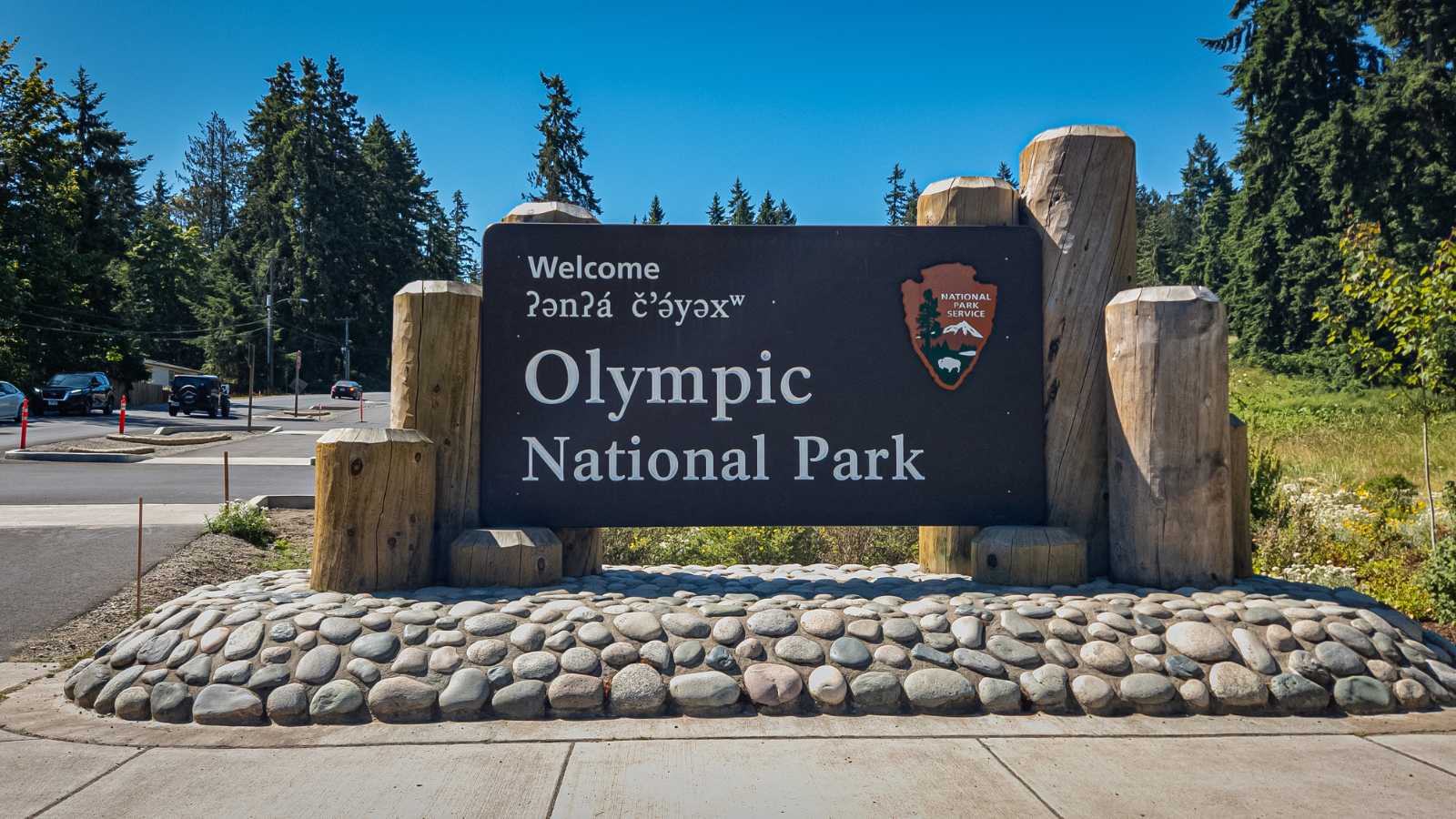
Quick answer
The most common route to the park headquarters at 600 East Park Avenue, Port Angeles, involves crossing Puget Sound via a vehicle ferry and continuing west along Highway 101. No matter your chosen route, plan for the 07:00–09:00 arrival window to avoid heavy visitor traffic and parking congestion at popular sites.
The Olympic Peninsula occupies a massive, isolated landmass in the upper left corner of the contiguous United States, separated from the Seattle metropolitan area by the glacially carved trench of Puget Sound. Understanding the regional geography is the first step for anyone researching how to get to olympic national park from seattle, as the direct line of sight from the city belies the complex water barrier that sits between urban infrastructure and the protected wilderness. The park itself protects nearly a million acres of old-growth rainforests, alpine peaks, and rugged coastline, creating a sprawling sanctuary that lacks a single central thoroughfare. Consequently, the journey westward is defined by crossing maritime boundaries rather than simply driving down a standard interstate highway. Historically, accessing the interior valleys of the Olympic Mountains required multi-day steamship voyages followed by grueling overland trekking through dense coastal timber. Today, modern maritime infrastructure and structural engineering have bridged these gaps, yet the fundamental geographic challenge remains intact. The transition from the dense urban grid to the quiet, moss-draped environment of the Pacific Northwest wilderness is physically mediated by the Kitsap Peninsula and the floating expanse of the Hood Canal Bridge. This physical separation acts as a psychological buffer, slowing down the pace of transit as travelers leave the mainland behind. The regional topography dictates that any western movement must negotiate these waterways, establishing a firm dividing line between the heavily populated eastern shores and the vast, lightly developed western timberlands. As travelers push deeper into Clallam County toward the primary administrative facilities in Port Angeles, the environmental conditions begin to shift dramatically. The imposing massif of Mount Olympus and its surrounding peaks create a severe localized weather system, dictating moisture patterns across the entire landmass. The northeastern edge sits firmly within a pronounced rain shadow, often remaining dry while the western coastal valleys receive immense annual precipitation. This climatic variability means that departure conditions in the city rarely match the meteorological reality at the final destination. Preparing for these microclimates is a necessary component of the journey, as the marine layer often obscures the dramatic elevation changes until travelers are immediately adjacent to the steep subalpine access roads leading toward Hurricane Ridge. A common misconception regarding regional travel is treating the protected wilderness as a compact, easily traversable destination. Because the landscape is dominated by a central, impassable mountain range, navigation relies on a single coastal highway that forms an exterior perimeter around the federal lands. Visitors must utilize various spur roads that branch inward from this circumferential route to reach specific trailheads, river valleys, and coastal beaches. This structural reality means that arriving on the peninsula is merely the preliminary phase of a much broader logistical undertaking. Properly evaluating the distances between the northern glacial viewpoints and the western ocean habitats is crucial for setting realistic daily itineraries. Ultimately, utilizing a comprehensive how to get to olympic national park from seattle guide ensures that visitors respect the sheer scale of the region and allocate sufficient time to cross the water channels that guard this coastal sanctuary.
“The physical separation acts as a psychological buffer, slowing down the pace of transit as travelers leave the mainland behind.”
Olympic National Park is located on the Olympic Peninsula in Washington state. Travelers from Seattle can reach the park either by driving around the southern end of the Puget Sound via Interstate 5 or by utilizing the Washington State Ferries system.
I-5 South to WA-16 West and WA-3 North via Tacoma
Seattle-Bainbridge Ferry followed by WA-305 and WA-3 North
I-5 North to WA-104 West via Edmonds-Kingston Ferry
To avoid heavy visitor traffic and parking congestion at popular sites, aim for the best arrival window of 07:00–09:00.
The best arrival window is 07:00–09:00, which allows travelers to avoid heavy visitor traffic and parking congestion at popular sites. Planning your departure from Seattle to align with this early arrival helps bypass peak ferry wait times and gate delays.
—
Arrive early to secure parking at trailheads and popular viewpoints. This window minimizes wait times at park entrances.
Warm with highs near 70°F
Expect heavy traffic. Mid-week visits are less crowded than weekends.
Cool with highs 55°F–65°F
Conditions are favorable for hiking. Lower visitor numbers make navigation easier.
Cold with highs 40°F–45°F
Access to higher elevations is often restricted by snow. Coastal and lowland areas remain open.
Verdict: For the most efficient trip, aim for a weekday arrival between 07:00 and 09:00 during the shoulder months of May, June, September, or October.
Olympic National Park is open to visitors daily throughout the year. The park remains accessible 24 hours a day.
Complete these essential preparation steps before leaving Seattle to ensure a smooth trip across the Puget Sound and into the peninsula.
Everything you need to know about how to get to olympic national park from seattle
Travelers looking for how to get to Olympic National Park from Seattle typically drive via I-5 South and WA-16 West, or utilize the ferry system across Puget Sound. The journey usually takes three to four hours depending on your final destination within the massive wilderness area. Planning your route in advance helps you navigate the diverse geography of the Olympic Peninsula efficiently.
While many visitors inquire about how to get to Olympic National Park from Seattle through guided experiences, various tour operators offer convenient transport options that remove the stress of navigating the scenic highway. These services often provide round-trip logistics, allowing you to focus on the rugged coastline and ancient forests rather than the road. Check our booking widget to see available regional transport departures.
To minimize traffic and secure parking at major trailheads, you should aim to arrive between 07:00 and 09:00. Arriving early is a proven strategy for how to get to Olympic National Park from Seattle while avoiding the peak congestion periods that occur during summer afternoons. Getting a head start ensures you have more time to explore the alpine meadows and temperate rainforests.
The entrance fee is 30 USD for a 7-day vehicle entrance pass, which provides access to the park’s diverse ecosystems. This fee remains consistent regardless of how you choose to arrive or whether you are participating in a group excursion. Please keep your receipt handy if you plan to visit multiple sections of the park during your stay.
Public transit options for how to get to Olympic National Park from Seattle are limited and require careful coordination with regional bus services and local shuttles. Most travelers find that renting a private vehicle or booking a organized transit service provides the most flexibility for exploring distant regions like Hurricane Ridge or the Hoh Rain Forest. Ensure you verify schedules well ahead of your travel date to avoid complications.
A single day trip allows for a brief overview, but most visitors recommend at least two to three days to experience the coastal beaches, mountains, and forest landscapes. The travel time from the city means longer stays maximize your time spent in nature rather than in transit. Many guests prioritize one major zone per day to avoid excessive driving.
Yes, the park is accessible daily with operating hours from 00:00 to 23:59. While general access is available, certain roads and facilities may have seasonal restrictions, so checking the official NPS website for updates before you depart is recommended. Being informed helps you stay safe while exploring the vast wilderness areas.
To prepare, ensure your vehicle is ready for mountain driving and monitor weather forecasts, as the temperate climate can change rapidly. Carrying physical maps and downloading offline guides is essential since cell service is often unavailable in remote parts of the peninsula. Proper preparation is the foundation of a successful visit to this iconic Washington landmark.